Last updated November 21, 2026
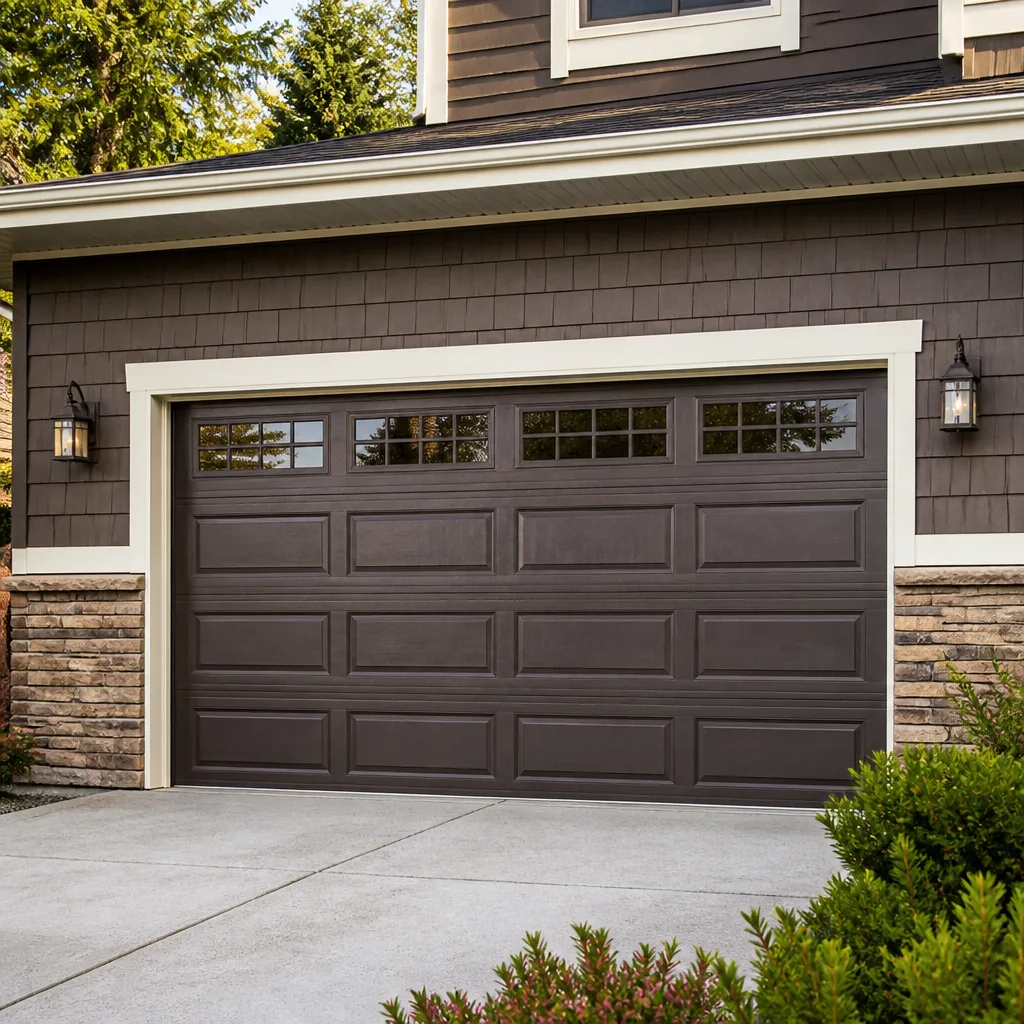 Raised-panel steel
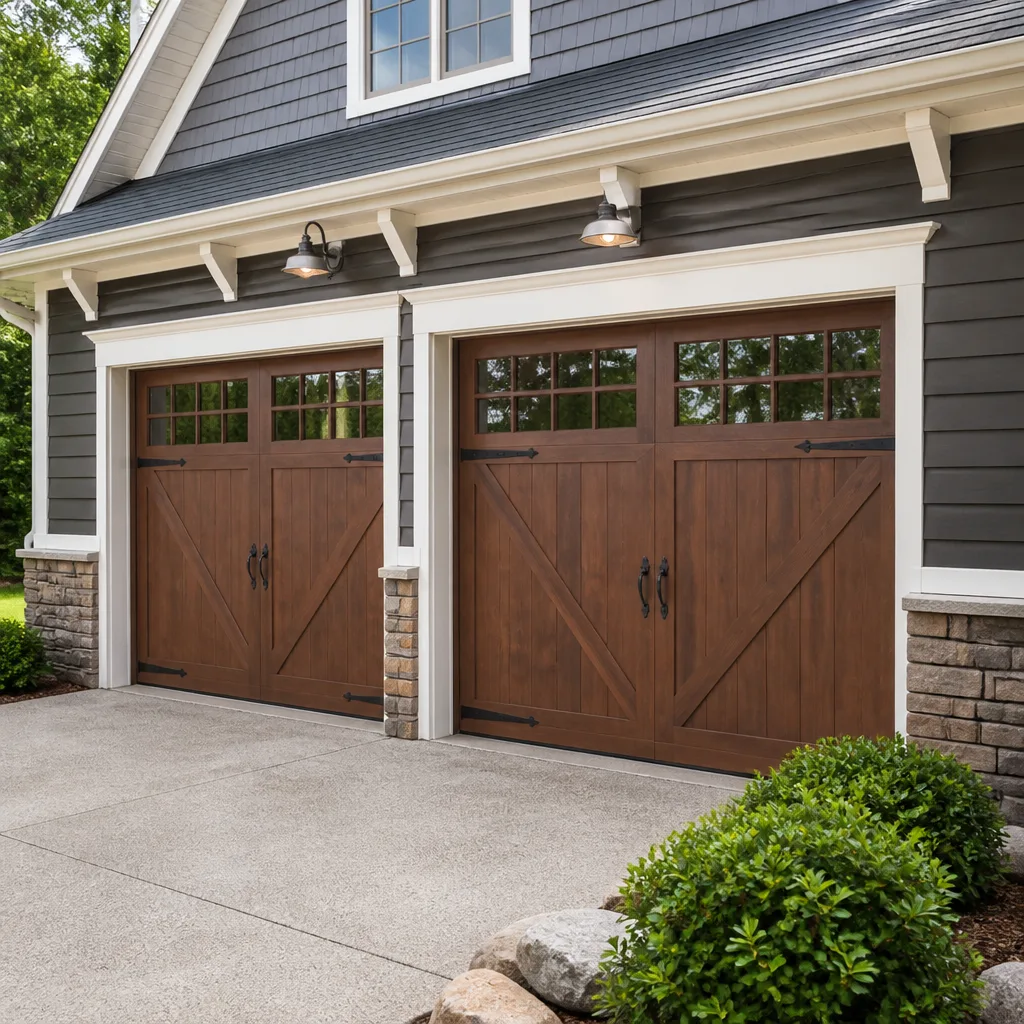 Carriage house
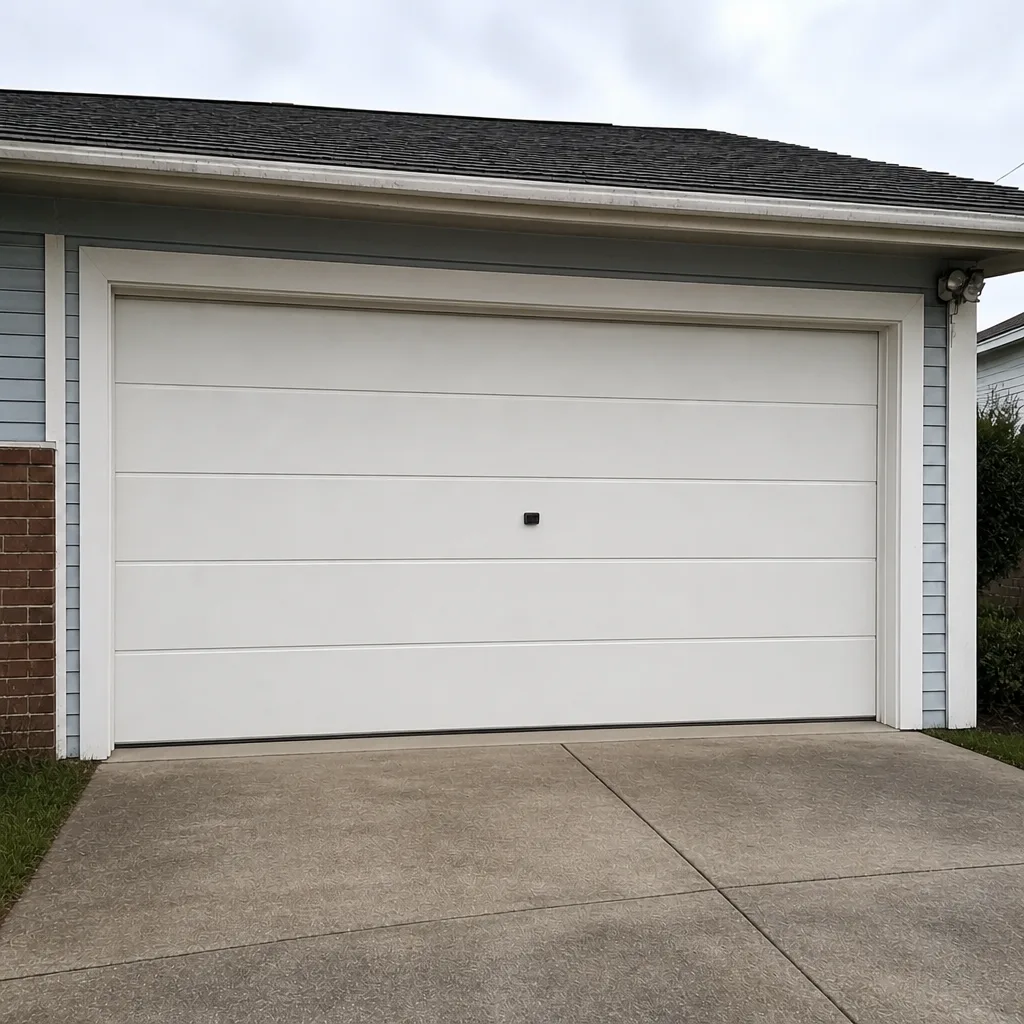
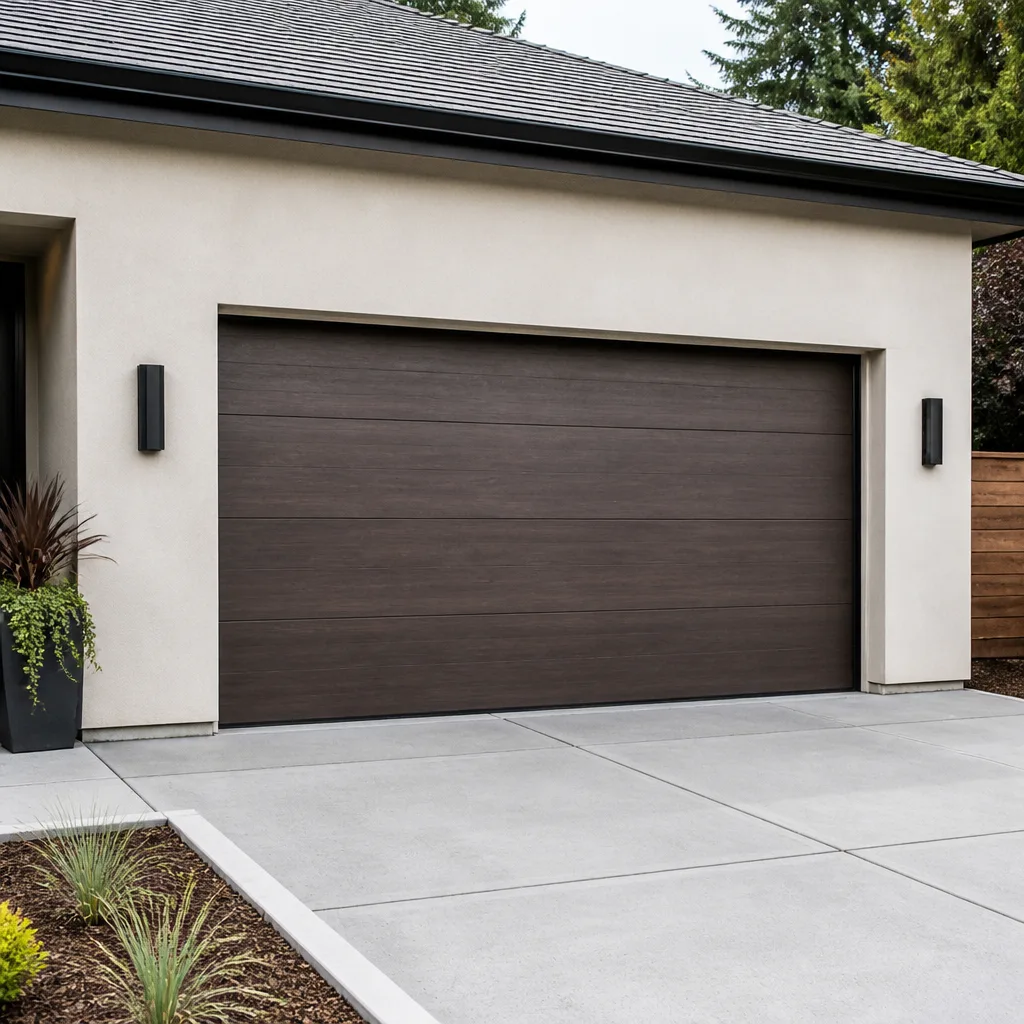 Modern flush
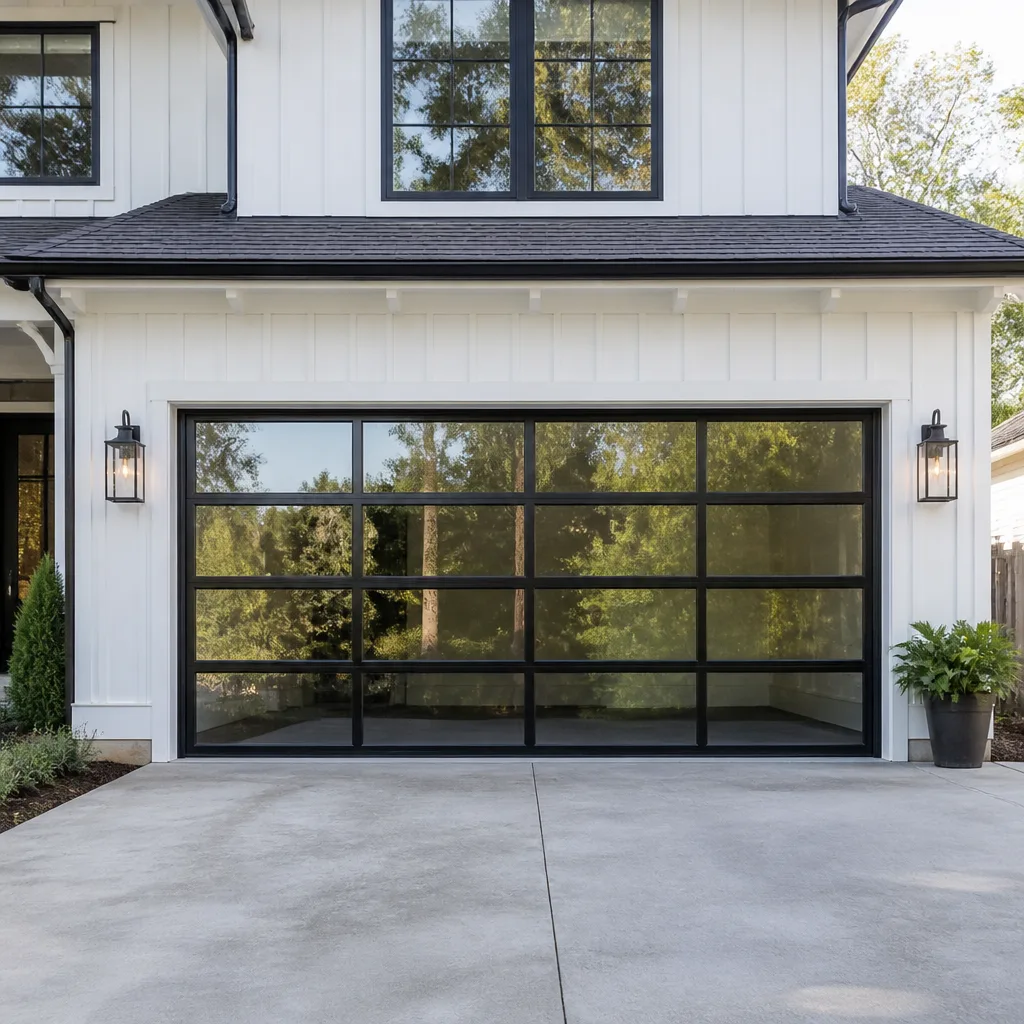 Full-view glass
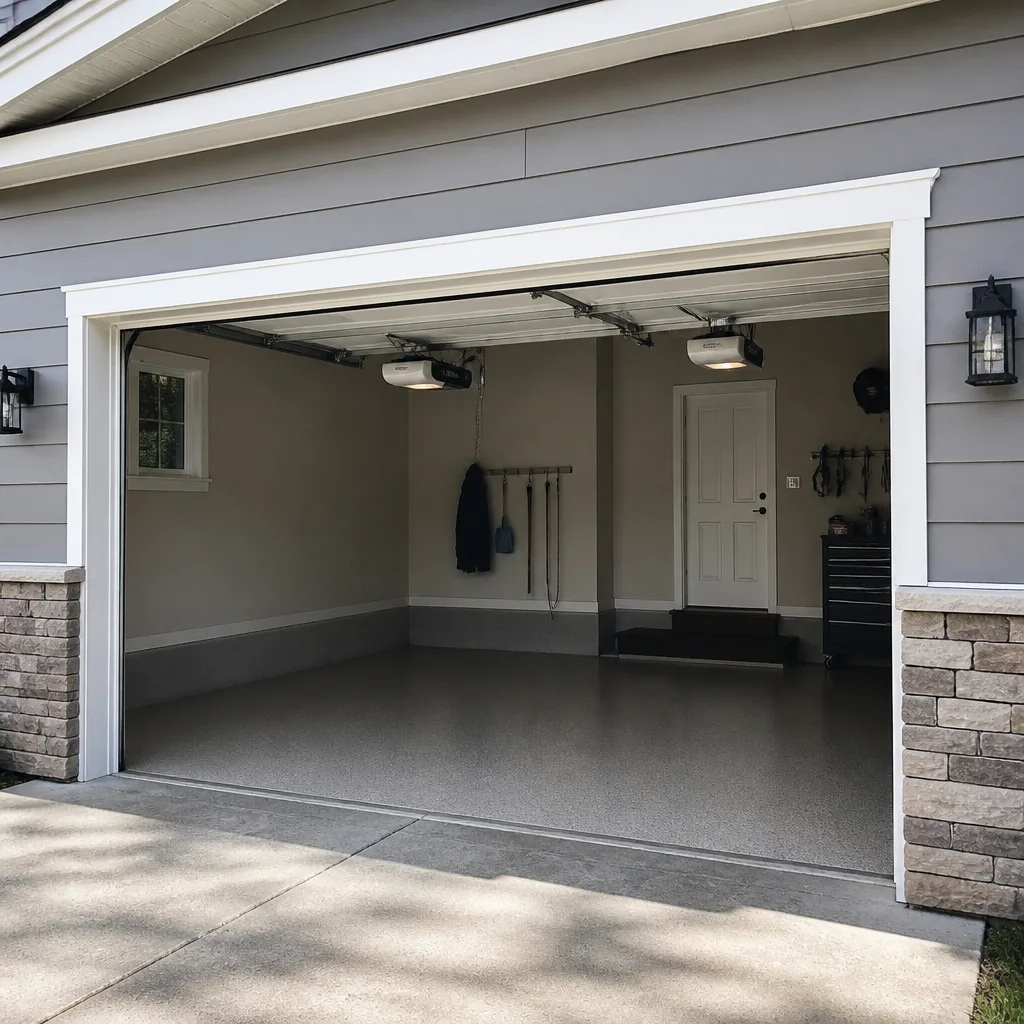 LiftMaster openers
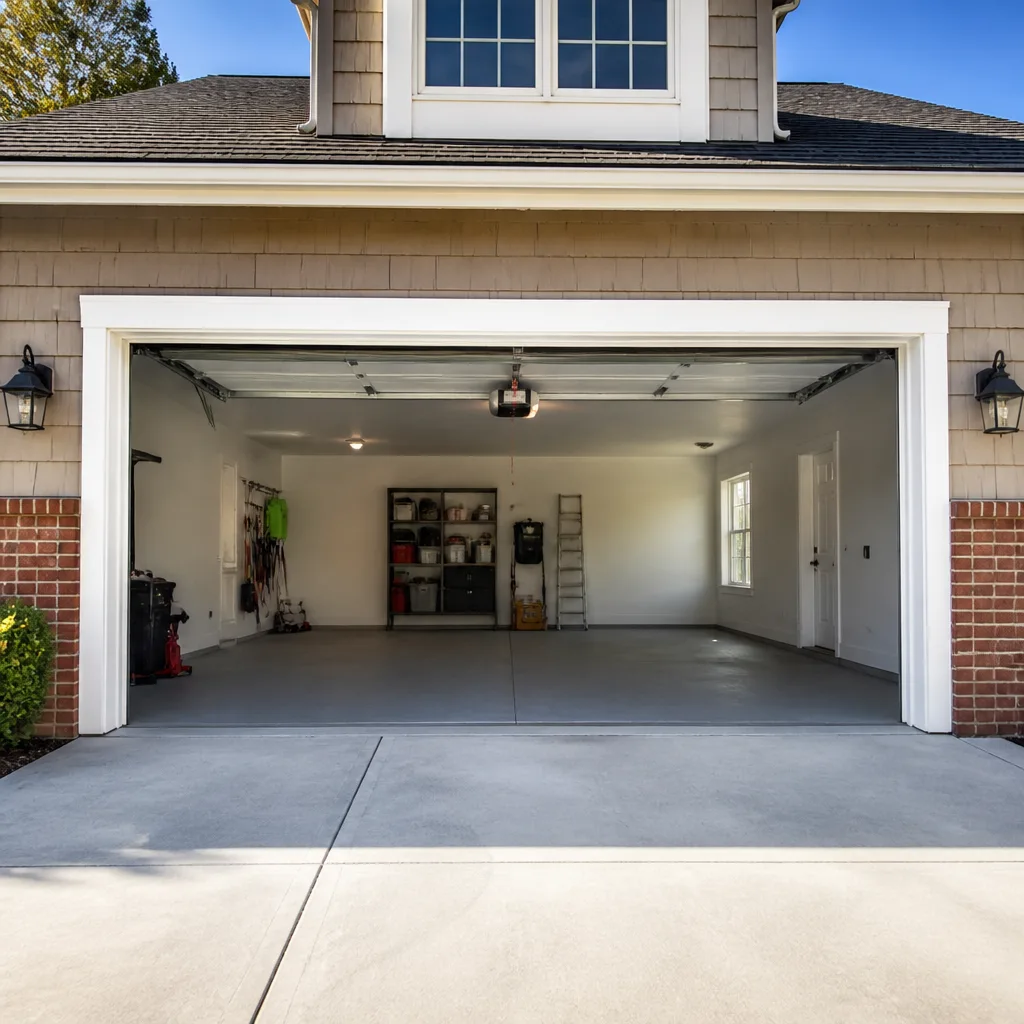 Chamberlain openers
Full 25-point door and opener safety check with every visit - springs, cables, rollers, tracks, and your LiftMaster or Chamberlain opener included
You get a price before we start. It does not change when the pro arrives.
Get your free estimateChoosing the Right Garage Door Brand: A Buyer’s Guide for Norfolk
Clopay sells more residential garage doors than any other brand in the country, and most buyers walk into a showroom expecting to be sold a Clopay door. Here’s the part the national advertising doesn’t tell you: the most advertised brand isn’t automatically the best fit for a house in Norfolk. A door that performs fine in a dry climate can fight the humidity of a Virginia summer, and a name brand can cost you days in repair time if the replacement panel has to ship from out of state. This guide ranks the five major residential brands sold here on the things that matter most in Hampton Roads: how the steel holds up to moist air, whether wind-rated doors are even offered at a mid-range price, and how quickly parts can be found. You’ll also learn why the smartest buyers pick their door by spec, not by logo.
Styles & brands we work with
- Raised-panel steel
- Carriage house
- Modern flush
- Full-view glass
- LiftMaster openers
- Chamberlain openers
Quick Answer
The right garage door brand for a Norfolk home depends less on national market share and more on three questions: how well its standard steel handles humidity, whether it offers wind-rated models at a normal mid-range price, and how fast a local distributor can deliver replacement parts. Amarr, CHI, and Clopay each offer solid mid-range options, Wayne Dalton fits tight budget and space demands, and Martin remains the least common of the five in this market. Choose the door in stock at a Hampton Roads distributor that also sells the parts you’ll need in five years, not just the one with the biggest ad budget.
Table of Contents
- Why Brand Choice Matters More in Norfolk Than in Most Markets
- How Norfolk’s Climate and Wind Loads Affect Door Selection
- Comparing the Five Major Brands: Clopay, Amarr, Wayne Dalton, CHI, and Martin
- Parts Availability: The Reality Check Most Buyers Miss
- Wind-Load Rating by Brand at the Mid-Range Price Point
- Steel Gauge by Price Tier: When the Spec Sheets Lie
- Don’t Overlook the Opener: Chamberlain, Genie, and the Rest
- How to Choose a Brand for the Long Haul: A Step-by-Step Approach
- Common Mistakes to Avoid
- When to Call a Professional
- Frequently Asked Questions
- The Bottom Line
Why Brand Choice Matters More in Norfolk Than in Most Markets
In a dry, inland market, a builder-grade door is a builder-grade door. Norfolk isn’t that market. The city sits where the James, the Elizabeth, and the Chesapeake meet, and the air here holds moisture most of the year. That humidity does quiet, patient damage to the steel and hardware of a garage door. Sections that should last decades can start showing surface rust at the bottom edge within a few years if they’re built from thin, minimally treated steel. A door that “looks the same” as another on a spec sheet can behave very differently in a Norfolk garage, and that difference often comes down to which manufacturer built it.
Hurricane season adds a second layer. Wind-rated doors are not the default in the national catalogs. Some brands offer them only in their premium collections, which puts them out of reach for a typical Norfolk homeowner budgeting for a replacement. Other brands offer a wind-load option at a middle price point, which matters enormously if you want a door that’s both affordable and genuinely rated for the wind loads this region can see. And there’s a third factor almost no buyer thinks about until something breaks: parts. A cracked panel or a failed opener is a routine repair, but only if the part is sitting in a Hampton Roads warehouse rather than a distribution center in another part of the country.
We’ve seen these three variables – corrosion resistance, wind-load availability, and parts proximity – determine whether a Norfolk homeowner has a straightforward replacement or a drawn-out headache. They’re the criteria this guide uses, because they reflect what you’ll actually live with over the life of the door.
How Norfolk’s Climate and Wind Loads Affect Door Selection
Norfolk’s weather is the single biggest argument for choosing your door by spec rather than by brand reputation. Two things drive the wear: humidity and wind, and each points to different construction details.
Humidity and corrosion. Moist air attacks a garage door at its most vulnerable points – the bottom edge, the seams between panels, the hinges and track hardware. What resists that best is steel that’s been fully galvanized rather than painted-over cold-rolled steel. Galvanizing protects the steel with a zinc coating that keeps fighting corrosion even after a paint scratch. A door built from galvanized steel with quality hardware behind it will outlast a cheaper painted door in a Norfolk garage by a wide margin, and the difference is usually visible in the manufacturer’s spec sheet if you know to look for it.
Wind loads. Wind-rated doors are built and tested to stand up to prescribed wind pressures, and the ratings come through standards that the industry uses to classify wind-load performance. What you need to know as a buyer is that wind-rated models exist, that different brands offer them at very different price points, and that a rated door typically requires rated hardware and struts, not just a rated panel. If you want the door to actually perform in a strong coastal storm, all of those pieces have to match. Norfolk homes get their share of nor’easters and tropical systems, so a wind-rated door is worth the conversation.
Installation quality. Even the best door in this guide will fail early if it’s hung poorly. Track alignment, spring tension, and proper sealing against the weather matter as much as the steel. That’s a separate skill from brand choice, but it’s why choosing an installer who knows the brand well matters right alongside choosing the brand itself.
Comparing the Five Major Brands: Clopay, Amarr, Wayne Dalton, CHI, and Martin
Here’s the honest side-by-side on the five brands most likely to appear on a Norfolk estimate, judged on their standard residential lines rather than the premium collections used in marketing photos. “Standard lines” means the doors most people actually buy at a typical mid-range price.
Clopay is the national volume leader, which is both its strength and its weakness. The strength: Clopay’s distribution is deep, its models cover every style and price, and most installers know the line cold. The weakness for a Norfolk homeowner: brand leadership isn’t the same as corrosion leadership. Not every Clopay standard line is galvanized, and some of the entry-level steel is painted rather than fully protected. A properly specified Clopay door is a good door, but you have to check the steel spec.
Amarr punches above its weight in this market on exactly the criterion that matters here. Amarr’s standard residential lines lean heavily on galvanized steel construction, and its parts are readily available through Hampton Roads distributors. For a homeowner planning to stay in the same house for many years, that combination – corrosion resistance now, parts availability later – makes it a stronger long-term value than its national profile suggests.
Wayne Dalton earns its spot on space and budget. Its product range includes configurations that fit garages with tighter headroom or unusual openings, and its pricing tends to land on the affordable end. Its standard steel is decent but not the standout feature; if corrosion resistance is your top priority, look closely at the model and hardware before committing.
CHI has built a quiet reputation for heavier steel and solid construction in its residential lines. In humid conditions, that heft and the way the steel is treated are real advantages. Availability is the thing to confirm – CHI has a smaller local footprint than Clopay or Amarr, so ask your installer whether parts for the specific model you’re considering are stocked nearby.
Martin makes a well-regarded door, but it’s the least common of the five in Norfolk distribution. That doesn’t make it a bad product; it means a repair could wait on shipping more often than with the other brands. If you choose Martin, confirm where the nearest parts supply sits.
Parts Availability: The Reality Check Most Buyers Miss
A garage door isn’t a one-time purchase; it’s a fifteen-year relationship with a parts supply chain. When a panel cracks, an opener quits, or a hinge finally goes, the only question that matters is how fast the replacement can be on a technician’s van. This is where brand choice quietly determines repair timelines in Norfolk, and where the most-advertised brand can cost you days.
The rule is simple: brands with stocked Hampton Roads distributors get same-day or short-turnaround parts. Brands that rely on national distribution centers can mean waiting several days for a shipment before a repair can even be scheduled. For a door that won’t close and is holding your car hostage, that wait is the whole story.
Here’s how to check parts availability before you buy:
- Ask which distributor supplies the brand locally. A real answer names a specific Hampton Roads distributor that stocks the brand.
- Ask whether the specific model’s parts are stocked, not just the brand’s. A brand can be well distributed while an obscure model within it isn’t.
- Confirm the fast-moving parts are local: panels, hinges, rollers, and opener logic boards are the ones that fail first.
- Consider the opener separately. LiftMaster, Chamberlain, Craftsman, and Genie are far more widely stocked than door brands, so opener repairs are rarely delayed by parts.
The practical point: a slightly less advertised brand with local stock beats a famous brand with a shipping delay. That’s the case for choosing by spec and supply, not by name.
Wind-Load Rating by Brand at the Mid-Range Price Point
Wind-rated doors protect a home’s largest opening during a severe storm, and the buyer’s real question is which brands offer them at a price a normal homeowner can actually reach. This is a place where brand marketing and brand reality diverge sharply in Norfolk.
Several manufacturers offer wind-rated models only in their top-tier collections, which can put a rated door well beyond a typical replacement budget. Others build wind-load options into middle-tier lines, using heavier steel, rated struts, and rated hinges to reach the rating. When you collect estimates, ask every manufacturer on your shortlist three questions: Does this brand offer a wind-rated model in a standard or mid-range collection? What components does the rating require beyond the panel? And is the rated version a special order or an in-stock configuration locally?
- Clopay: offers wind-load options, but often within higher-end collections.
- Amarr: a reasonable path to a rated door at a mid-range price through its standard lines.
- CHI: rated configurations exist; confirm local availability of the rated hardware.
- Wayne Dalton: options exist, but check which configuration you’ll need for your opening.
- Martin: well-built, but confirm the rated model and parts path before committing.
If the estimate you’re given doesn’t mention wind-load rating at all, ask. That question alone separates a serious installer from a quick seller.
Steel Gauge by Price Tier: When the Spec Sheets Lie
Two doors can carry near-identical marketing specs and still be built from meaningfully different steel. That’s because “galvanized steel” and “steel” are not the same claim, and gauge numbers can be reported for the skin only while the structural sections use thinner stock. In a humid climate like Norfolk’s, that hidden difference is exactly what determines how long the door lasts.
What to compare, tier by tier:
- Entry tier: Expect thinner skin and painted-over steel rather than full galvanizing. These doors serve, but they show humidity damage first, usually at the bottom edge and panel seams.
- Mid-range tier: Here the spec sheets start looking alike across brands, and this is where the real differences hide. Look for fully galvanized steel, heavier gauge, and hardware that matches the door’s rated capacity.
- Upper tier: Thicker steel, better corrosion protection, and a longer realistic service life. The premium usually pays back in fewer repairs and a longer replacement cycle.
The trick is to read past the brochure and ask for the steel spec on the actual door being quoted, not the model featured in the showroom. A heavier gauge with galvanizing at the mid-range price is usually a better buy in Norfolk than a thin, painted premium-looking door. Steel gauge and steel treatment matter together; one without the other doesn’t buy you much here.
Don’t Overlook the Opener: Chamberlain, Genie, and the Rest
Most buyers spend their research on the door and leave the opener to whoever happens to install it. That’s a mistake, because the opener is what fails most often. The good news is that opener parts are far more available locally than door parts, since LiftMaster, Chamberlain, Craftsman, and Genie are widely stocked across Hampton Roads. A failing opener rarely means a long parts wait. It usually means a quick diagnosis and a same-day repair, if the technician knows the platform.
The brand of the opener matters less than how it pairs with your door. A door’s weight and spring setup dictate what an opener has to lift every day, and an opener matched poorly to a heavy door will wear out early. If your opener is original to the house, pairing a replacement with the door you choose is part of the decision, not an afterthought. When a garage door opener repair is needed, the right technician reads the whole system – door, springs, and opener together – rather than swapping a motor and hoping.
Smart-platform compatibility is worth a look if you’re choosing a new opener alongside a new door. Chamberlain and Genie lead on the smart-home side, and modern openers increasingly offer app control and quiet operation. Ask which opener platform the installer supports best, and whether parts for it are stocked locally. That’s a better question than which brand has the flashiest app.
How to Choose a Brand for the Long Haul: A Step-by-Step Approach
The right answer for a Norfolk buyer is a process, not a logo. Here’s a repeatable way to choose a brand based on what will matter to you in five years, not just what looks good in the showroom.
- Start with steel treatment, not brand name. Ask each manufacturer’s quote for the steel spec: is it fully galvanized, what gauge is the skin, and what gauge are the structural sections? In Norfolk’s humidity, this is the single most predictive detail.
- Ask about wind-load availability at your budget. Confirm whether a wind-rated model exists in a mid-range collection, what components the rating requires, and whether the rated version is in stock locally.
- Check parts availability for the specific model. Name a Hampton Roads distributor and confirm the fast-moving parts are stocked. The most advertised brand is not always the best stocked.
- Match the opener to the door. Choose an opener platform that the installer supports well and that pairs with your door’s weight and spring setup.
- Pick a brand your installer actually works on, not just one they’ll install. The difference shows up on repair day. When good brand-specific diagnostics are in place, the right fix comes faster.
- Confirm the full scope of service. The best brand for you is the one whose installer can handle everything from spring repair to a full garage door installation without handing you off to a second company.
Run this process with two or three brands, and the choice usually becomes obvious. You’ll be able to see which brand actually delivers the corrosion protection, wind options, and parts access Norfolk homes need.
Common Mistakes to Avoid
- Buying by national market share alone. The biggest brand nationally isn’t automatically the best door for Norfolk humidity. Check the steel spec before you let the ad budget sway you.
- Assuming all “galvanized steel” doors are equal. A fully galvanized skin with cheap structural steel is still a compromise, especially near the coast where moisture sits. Ask for the full spec, not the marketing line.
- Skipping the wind-load question. If you don’t ask whether a wind-rated model exists in a mid-range collection, you may end up paying premium prices or going without a rating altogether.
- Ignoring parts availability. A door brand without stocked Hampton Roads parts can turn a one-day repair into a multi-day wait. Ask where the parts are stocked before you commit.
- Leaving the opener to chance. An opener paired poorly with the door’s weight and springs fails early, regardless of brand. Match the two deliberately.
- Replacing the whole door when a repair would do. A cracked panel, worn spring, or failed opener doesn’t always require a new door. Confirm what actually needs replacing before you shop for a brand.
- Trying to handle spring work yourself. Torsion and extension springs are under enormous tension and are the most dangerous repair in the trade. Never attempt it as a DIY project; that’s a call for a trained technician.
When to Call a Professional
Some decisions are straightforward. A door that won’t close, a spring that snaps, a panel that’s cracked through, or an opener that no longer responds all call for a trained technician, not a weekend project. Spring replacement especially should never be a DIY job – the tension stored in those springs can seriously injure anyone untrained. The same goes for anything structural on a wind-rated door; a bracing or strut that’s installed wrong can undermine the rating. When the question is which brand to choose, an inspection is worth having before you buy, because a technician can tell you whether a repair would do or a replacement is genuinely needed. Garage Door Repair Norfolk Pros offers free estimates in Norfolk – call (855) 522-0573. We work on Clopay, Amarr, Wayne Dalton, CHI, and Martin doors as well as LiftMaster, Chamberlain, Genie, and Craftsman openers, so the diagnosis fits the system rather than a preferred brand.
Frequently Asked Questions
There’s no single best brand, but for most Norfolk homes Amarr, CHI, and Clopay are strong choices on the three criteria that matter here: corrosion resistance, wind-load availability at a mid-range price, and parts access through Hampton Roads distributors. Amarr stands out on the combination of galvanized steel and readily available parts, while Clopay offers the widest range of styles and models. Call (855) 522-0573 for an exact quote – estimates are free.
Clopay can be, if the specific model you choose uses fully galvanized steel rather than painted-over entry-level steel. Clopay’s distribution is deep and its range is broad, but brand leadership nationally doesn’t guarantee corrosion leadership locally. Check the steel spec on the exact model, not the brochure. Call (855) 522-0573 to talk through the right model for your Norfolk home.
Availability varies by manufacturer and collection. Several brands offer wind-rated doors only in their top-tier collections, while others build wind-load options into their standard or mid-range lines. When you compare estimates, ask each manufacturer whether a rated model exists in a middle collection, what components the rating requires beyond the panel, and whether the rated version is stocked locally. Call (855) 522-0573 for help sorting it out.
Ask the installer to name a Hampton Roads distributor that stocks the brand and confirm the fast-moving parts – panels, hinges, rollers, and opener boards – are held locally. Brands with local distributor stock get short repair turnarounds, while brands relying on national shipping can add days to a repair. That question alone rules out a lot of future headaches. Call (855) 522-0573 to ask about parts for a specific model.
A multi-brand installer can usually give you a better fit for your home, because they’re not committed to pushing one manufacturer’s product regardless of the specs. Brand-specific diagnostics mean the right fix for your system rather than a generic workaround. Choosing by spec rather than brand name keeps your options open through the life of the door. Call (855) 522-0573 to compare options.
The opener matters a great deal, but opener parts tend to be far more widely stocked locally, so you’re less likely to wait on a repair. LiftMaster, Chamberlain, Genie, and Craftsman are the platforms most commonly serviced in Norfolk. The bigger concern is matching the opener to your door’s weight and spring setup. Call (855) 522-0573 for a free estimate that covers both.
The Bottom Line
The best garage door brand for a Norfolk home is the one that gets the three essentials right: steel that resists the area’s humidity, wind-load availability at a price you can actually pay, and parts that are stocked through Hampton Roads distributors. That’s often a brand with a smaller national profile than its competitors, and that’s the point. Amarr’s value in this market comes from the combination of galvanized construction and available parts, not from a big advertising budget. Clopay and CHI are worth comparing on steel spec; Wayne Dalton fits budget and space demands; Martin needs a parts check. Choose by spec, keep the brand conversation tied to repair reality, and you’ll have a door that serves you for years. If you’d rather have a professional sort the options for you, Garage Door Repair Norfolk Pros is here across the area – call (855) 522-0573 for a free estimate and a service approach built around garage door repair. Our technicians have up to 15 years of experience across Garage Door Repair Norfolk Pros services, and we work on your brand rather than a preferred one.
Written by the team at Garage Door Repair Norfolk Pros.
See the difference
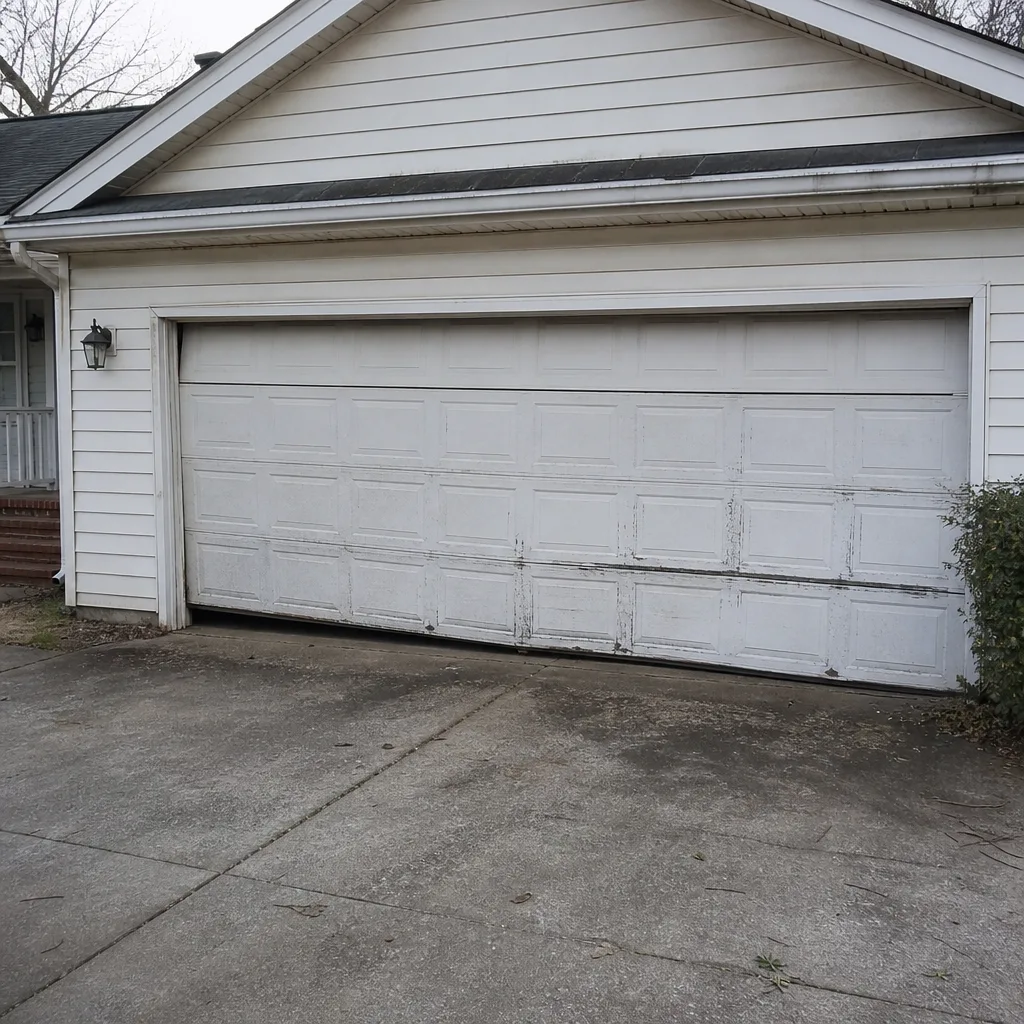 Before
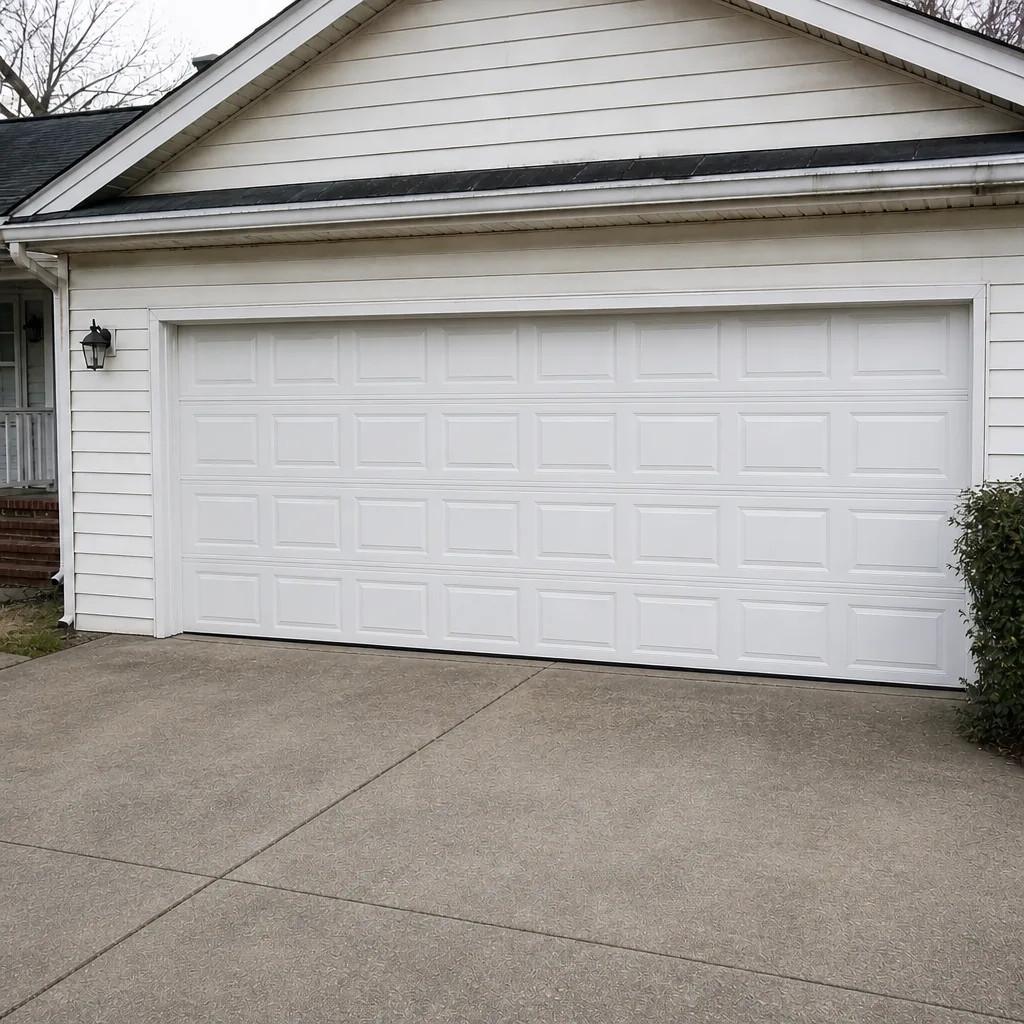 After
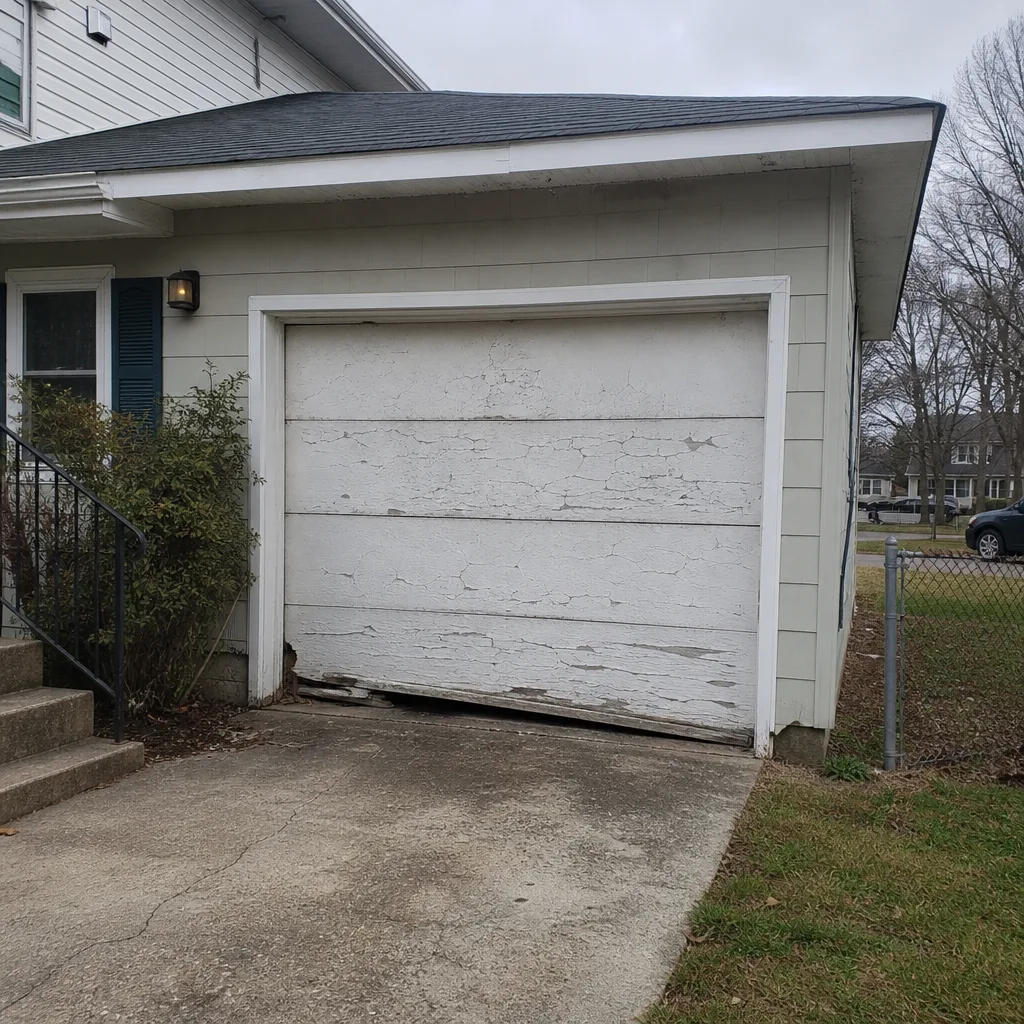 Before
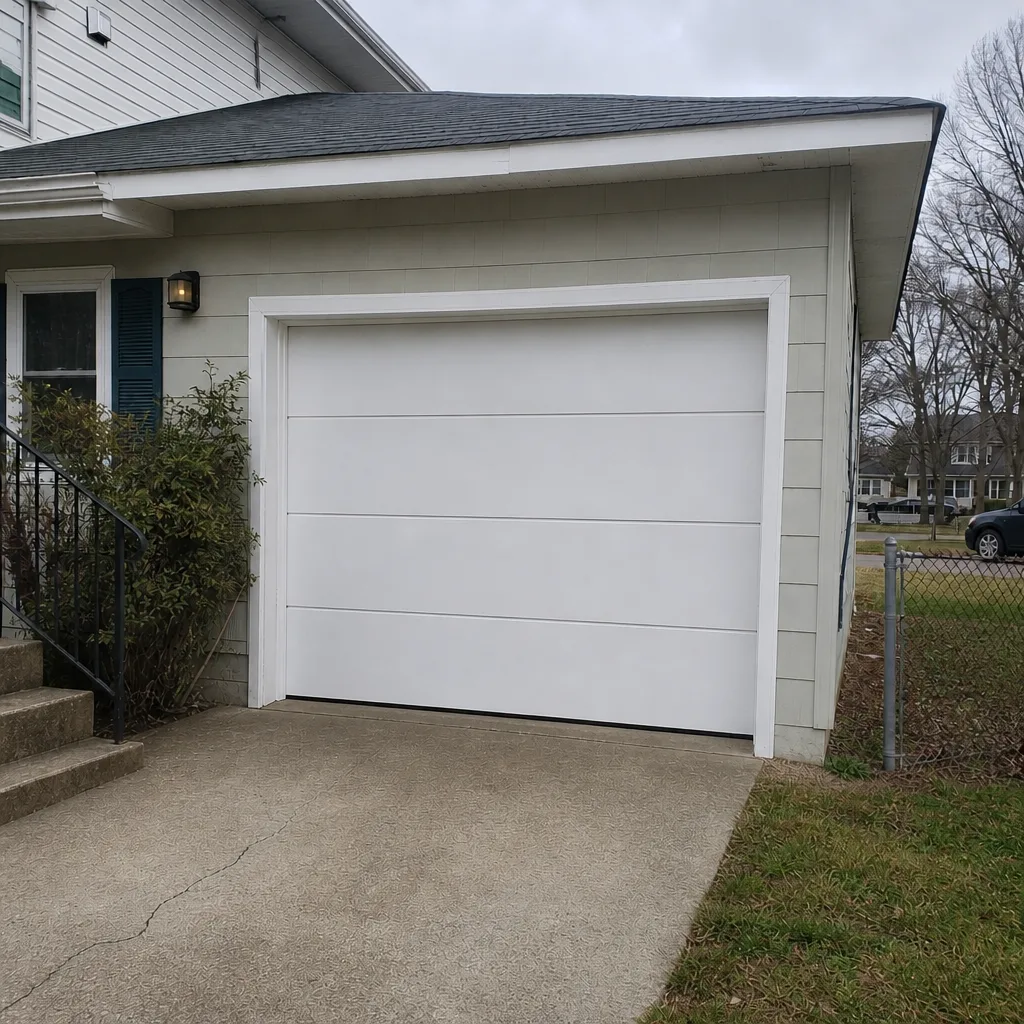 After
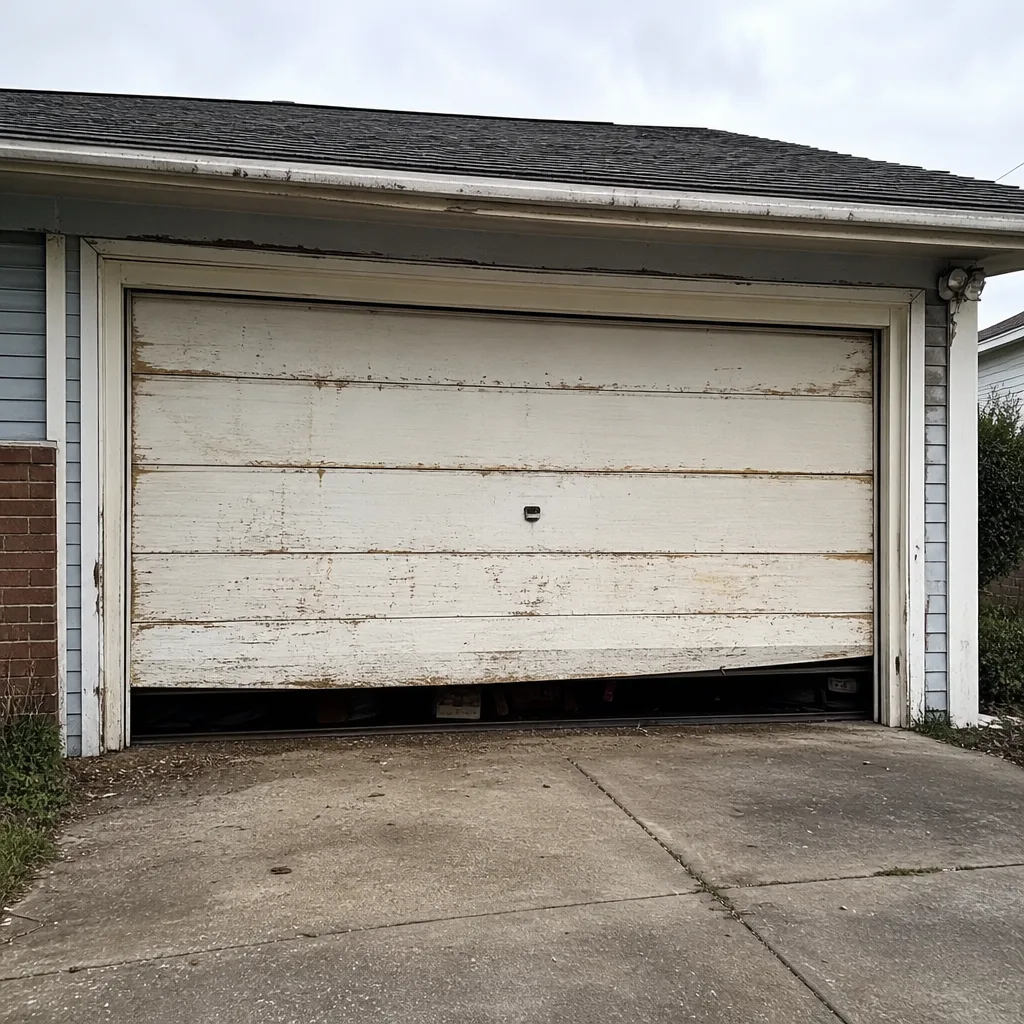 Before
 After