Last updated November 21, 2026
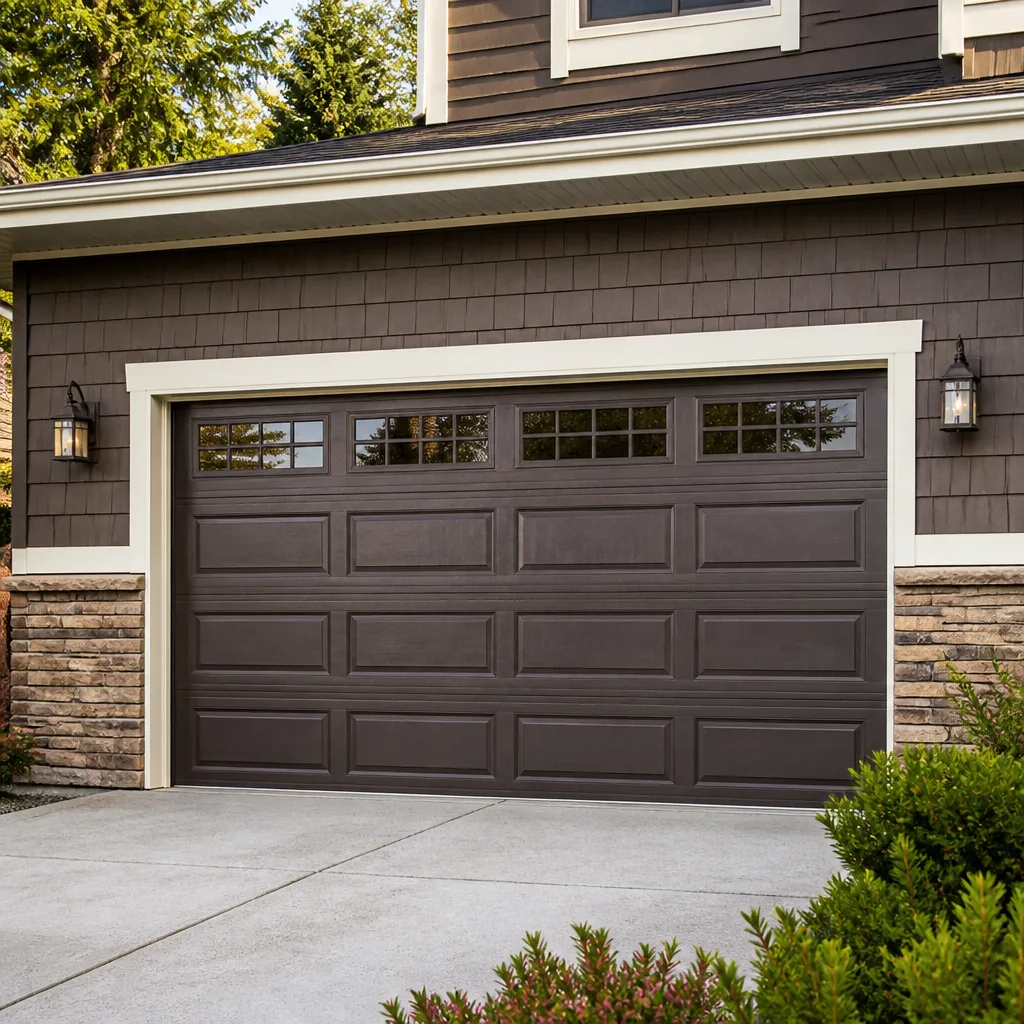 Raised-panel steel
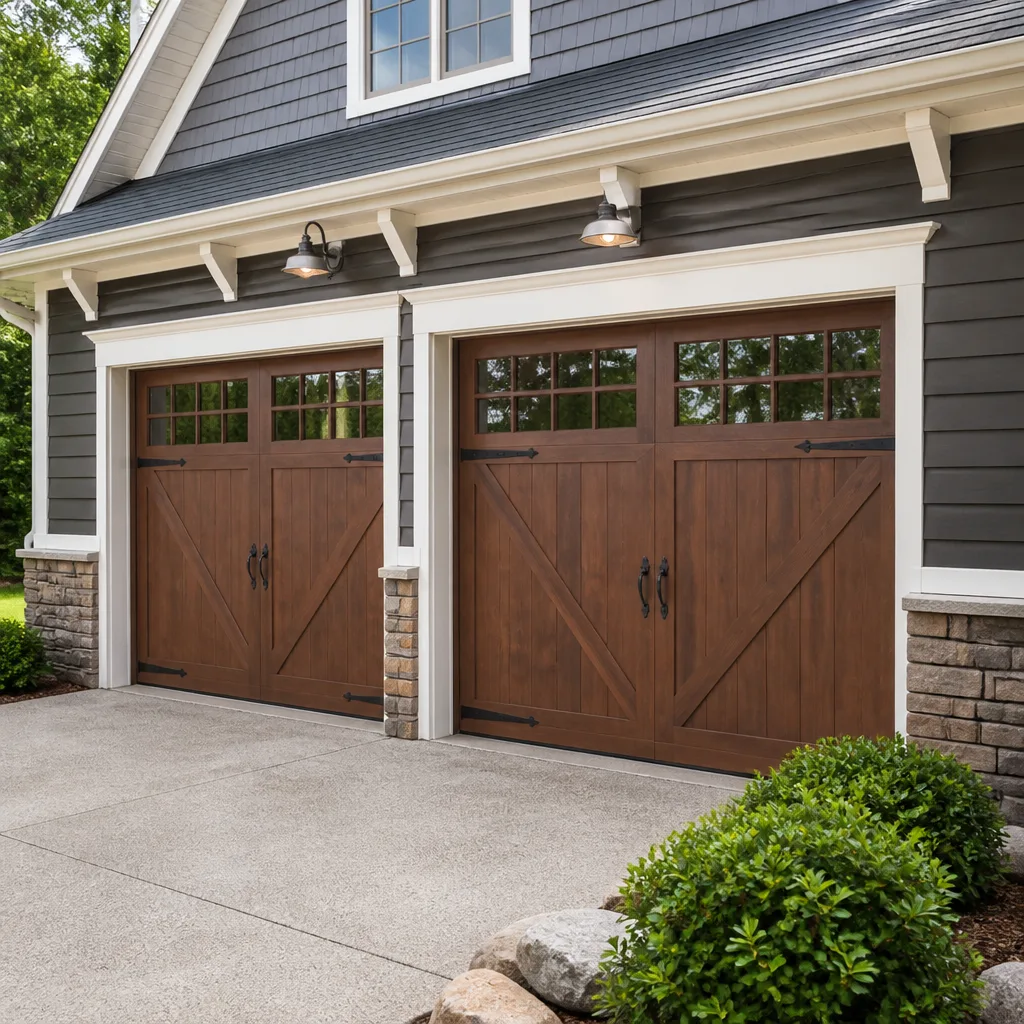 Carriage house
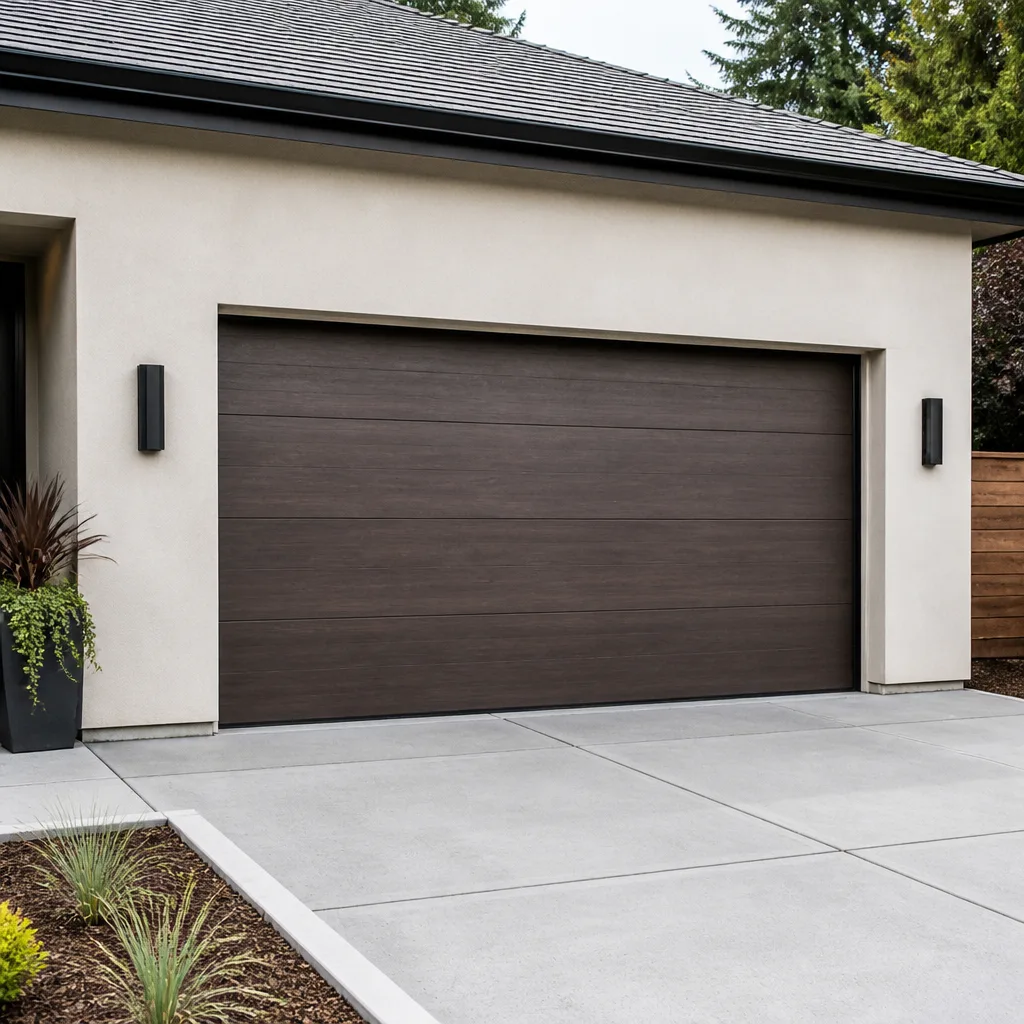 Modern flush
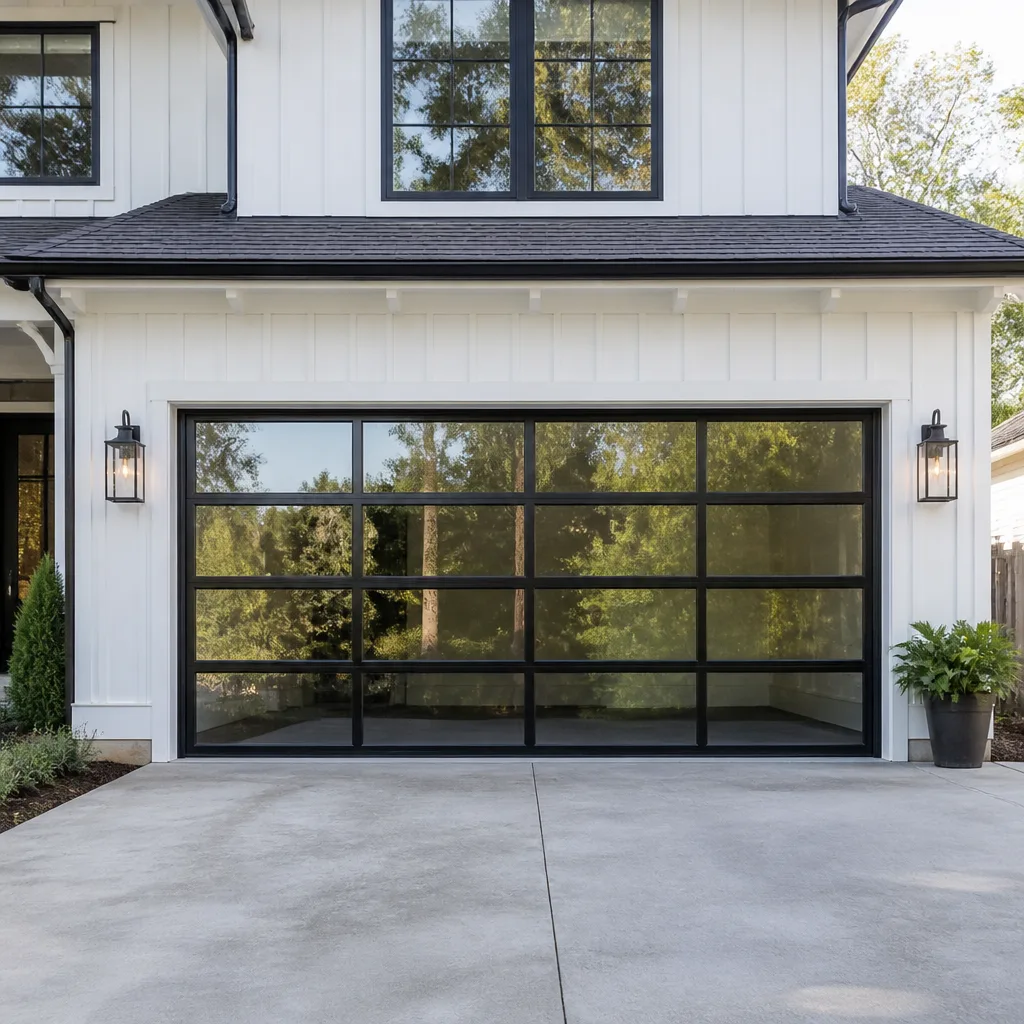 Full-view glass
 LiftMaster openers
 Chamberlain openers
Full 25-point door and opener safety check with every visit - springs, cables, rollers, tracks, and your LiftMaster or Chamberlain opener included
You get a price before we start. It does not change when the pro arrives.
Get your free estimateSeasonal Garage Door Care for Norfolk: Year-Round Homeowner’s Guide
Most seasonal garage door advice is written for a climate that Norfolk doesn’t have. It tells you to “winterize in October” and “tune up in spring,” as if the year divided neatly into four equal blocks of wear. In Norfolk it doesn’t. The mechanical stress here has two peaks: July, when humidity warps wooden panels and swells the gaps in aluminum tracks, and the January-February freeze-thaw window, when lubricant thickens and spring tension gets unpredictable. Storm season runs June through November and reshapes the timing of everything else. This guide reorganizes garage door care around the stressors that actually reach Norfolk, season by season, so you’re maintaining against what your door really faces and not against a calendar pulled from a colder, drier part of the country.
Quick Answer
Seasonal garage door care in Norfolk follows three real stress windows: pre-storm hardware tightening in May, a humidity protocol through July and August, and a freeze-thaw check in January and February. The single highest-value task in the whole year is tightening all mounting and hinge hardware before June storm season begins, because vibration loosens it over time and storms amplify every rattle. Everything else, from lubrication to weatherstripping, is important but secondary to that one act.
Styles & brands we work with
- Raised-panel steel
- Carriage house
- Modern flush
- Full-view glass
- LiftMaster openers
- Chamberlain openers
Table of Contents
- Why Norfolk’s Seasons Don’t Match the Standard Maintenance Calendar
- Pre-Hurricane Season Checklist: What to Do in May
- The July-August Humidity Protocol
- Post-Storm Inspection: The Correct Order After a Nor’easter
- The January-February Freeze-Thaw Protocol
- The Spring Corrosion Audit: Replace or Re-Lubricate?
- Your Norfolk Garage Door Care Calendar at a Glance
- Brand-Specific Care Notes for Norfolk Systems
Why Norfolk’s Seasons Don’t Match the Standard Maintenance Calendar
The standard seasonal maintenance model assumes a mild spring, a dry summer, a crisp fall and a hard freeze in winter. Norfolk gives you something different. Summers carry sustained humidity that holds for weeks, not days. Storm season is long and its timing is unpredictable. Winter is cold enough to matter but rarely cold enough to freeze a door solid, which creates a specific partial-freeze problem that colder cities simply don’t have.
That mismatch matters because each stressor targets a different part of the door. Humidity works on wood and on the fit of metal parts. Storm season works on fasteners and seals. The freeze-thaw window works on lubricant and on bottom seals. If you maintain on the generic calendar, you’ll spend effort on the wrong components at the wrong time and miss the narrow windows when a little attention prevents a lot of trouble.
Here’s how the year actually breaks down in Norfolk:
- May: pre-storm hardware tightening. The highest-leverage maintenance act of the year.
- June through November: storm season. Seals, weatherstripping and panel alignment matter most; inspect after any significant storm.
- July and August: humidity peak. Wood swelling and aluminum track expansion cause binding.
- January and February: freeze-thaw window. Lubricant viscosity drops and bottom seals can partially freeze.
- March and April: post-winter audit. Decide what to replace and what to re-lubricate.
A Norfolk door lives through a compressed, uneven year. Matching your care to that shape is what keeps it running quietly and closing flat. The rest of this guide walks each window in order, so you can work straight through the calendar or jump to whichever season is bearing down on you now.
Pre-Hurricane Season Checklist: What to Do in May
Tightening all mounting and hinge hardware before storm season is the single most valuable maintenance act you can perform on a Norfolk garage door each year. A door that rattles gently on a calm day is telling you fasteners have backed off. In a storm, that same slack lets panels flex, seals separate and hardware work itself looser still. The fix costs you a screwdriver and twenty minutes; the consequence of skipping it costs a repair call.
Work through this sequence in May, before the season turns:
- Check the hinge screws and the roller brackets. Run a screwdriver over every hinge and bracket screw. Snug, don’t crank; over-tightening strips the holes in aged wood or thin metal.
- Inspect the mounting plates at the top and sides of the door frame. These anchor the whole system. A loose plate is a structural concern, not a cosmetic one.
- Look at the weatherstripping around the perimeter. Press it with your thumb. If it stays compressed instead of springing back, it won’t seal against wind-driven rain.
- Test the bottom seal along the floor. A gap anywhere means water and debris can enter under storm pressure.
- Check that the door runs level. Open it partway and look at the gap on each side. An uneven door is already binding and storm flex will make it worse.
- Confirm the safety reverse works. Place a solid object in the door’s path and close it. The door should reverse on contact.
None of this step is dramatic and that’s the point. Most storm-related garage door failures we see in Norfolk trace back to hardware that was slightly loose in May. You won’t get a warning beyond a rattle, so treat the rattle as the warning. If tightening reveals a plate that won’t hold or a door that still runs uneven, that’s the moment to call for garage door repair, while the calendar is still on your side.
The July-August Humidity Protocol
Norfolk’s July and August humidity does two things to a garage door: it swells wooden panels and it expands aluminum tracks. Both effects are small on their own, but together they change clearances and cause the door to bind. A door that ran freely in June can start dragging, squealing or stopping partway by August. Homeowners often read that as a failing opener when the real cause is the fit between panels and track.
Spotting wood panel swelling
On wooden or wood-composite doors, look for panels that have widened enough to press against each other or the frame. Painted seams may show fine cracks. A door that was flush in spring can stand slightly proud by midsummer. Swelling is worst in the first few humid weeks after a dry stretch. You can’t stop wood from responding to humidity, but you can keep the finish intact so moisture doesn’t get under the paint and into the grain.
Tracking aluminum expansion
Aluminum tracks expand in the heat and humidity, tightening the gap the rollers ride in. If the door binds, look for shiny wear marks on the inside of the track where rollers are rubbing. That wear path tells you where the clearance has closed up. Don’t force it; a binding door strains the opener and accelerates wear on the rollers.
- Keep wood panels painted or sealed so humidity can’t reach bare grain.
- Wipe the tracks clean in early July and again in August, then apply a silicone-based lubricant, not grease, which attracts grit in humid air.
- Watch for shiny rub marks inside the track as a sign of binding.
- If the door drags consistently, stop cycling it and have the track alignment checked before parts wear further.
If adjusting the track doesn’t free the door, the problem may be worn rollers or a bent section. That’s a normal repair, not a replacement, and it’s worth catching in August rather than letting the opener take the strain through the fall.
Post-Storm Inspection: The Correct Order After a Nor’easter
After a nor’easter moves through, inspect your garage door in a set order: weatherstripping first, then the bottom seal, then panel alignment. The order matters because each check tells you whether the next one is even necessary. Bad weatherstripping lets water reach the bottom seal; a compromised bottom seal lets water under the door and stresses the panels. Working top-down and outside-in catches the source instead of the symptom.
- Weatherstripping. Run your hand along the perimeter seal. Look for tears, sections pulled loose from the frame, and spots where it no longer touches the door. Wind-driven rain finds every gap.
- Bottom seal. Lift the door a few inches and inspect the seal along the floor. Look for splits, missing chunks and any place it no longer contacts the floor evenly. This seal is your main defense against water intrusion.
- Panel alignment. Stand back and look at the door as a whole. Panels should sit flush with each other and the door should sit square in the opening. A panel that has shifted or a door that now leans means storm flex moved something structural.
- Hardware check. Re-run the screwdriver over hinges and brackets. Storms loosen what was already slightly loose.
- Opener test. Cycle the door once and listen. New noises, grinding or a door that stops partway mean storm damage reached the mechanism.
Weatherstripping and bottom seals are the two parts storm season wears out fastest in Norfolk, and both are inexpensive to replace. If you find a shifted panel or a door that won’t run smoothly after a storm, don’t cycle it repeatedly to “see if it clears up.” Call for garage door repair and let a technician check the alignment before a small shift becomes a bent section. Rapid action after a storm is how repairs stay small.
The January-February Freeze-Thaw Protocol
Norfolk rarely gets cold enough to freeze a garage door solid, but it does get cold enough for two specific problems: lubricant that thickens and bottom seals that partially freeze to the floor. A full freeze-up is uncommon here; a partial freeze of the bottom seal is common in the January-February window when overnight temperatures drop into the twenties and thirties and climb back above freezing during the day. That cycle is harder on a door than a sustained deep freeze, because the seal freezes, sticks, then releases over and over.
What to watch for during the freeze-thaw window:
- A door that hesitates on the first cycle of a cold morning. Cold-thickened lubricant drags on rollers and hinges. If the door runs rough when cold and smooth when warm, the lubricant is the suspect.
- A tearing sound or resistance at the bottom of the door. That’s the bottom seal frozen to the floor. Never force the door up when you hear it. Free the seal first.
- Spring tension that feels different in cold weather. Springs behave differently as temperatures swing. This is exactly why spring work belongs to trained technicians. Torsion and extension springs are under extreme tension and can cause serious injury if handled without the right tools and training; do not attempt to adjust or replace them yourself.
Before the cold settles in, switch to a lubricant rated for low temperatures so it doesn’t thicken overnight. Keep the bottom seal clean and dry so it has less to stick to. And if a spring ever makes a sharp bang or the door suddenly won’t lift, stop using the door. That’s a spring failure, and it’s the most dangerous repair in the trade. Reach for professional garage door repair rather than a ladder.
The Spring Corrosion Audit: Replace or Re-Lubricate?
Once winter releases its grip, March and April are for auditing what the cold months wore down and deciding what to replace versus what to service. In Norfolk, the winter damp and temperature swings work on hinges, rollers, springs and fasteners, and by spring some parts are simply due for replacement while others only need fresh lubrication.
Here’s how to tell the difference:
- Re-lubricate hinges, rollers, tracks (with a silicone spray) and the opener’s chain or screw drive if they’re clean, moving freely and show no rust or flat spots.
- Replace rollers that have flat spots or won’t spin freely, hinges that are visibly worn or loose in their mounting holes, and any weatherstripping or bottom seal that has hardened, cracked or lost its spring.
- Have checked by a technician any spring showing rust, gaps or a change in how the door balances. Springs are a safety item, not a homeowner task.
The spring audit is the one to take seriously. A door that no longer holds itself halfway open is telling you the springs are losing tension. That’s a signal to have them checked before summer heat and heavy use push them further. If your opener is also acting up, that’s a separate system worth a dedicated look through garage door opener repair, since opener problems and spring problems often show up together and get confused for each other.
Your Norfolk Garage Door Care Calendar at a Glance
Here’s the whole year on one page. Treat it as a checklist you work through by season rather than a rigid schedule.
| Window | Primary focus | Key tasks |
|---|---|---|
| May | Pre-storm hardware | Tighten all hinge and mounting hardware; inspect weatherstripping and bottom seal; test safety reverse |
| June-Nov | Storm season | Inspect after each significant storm in order: weatherstripping, bottom seal, panel alignment, hardware |
| July-Aug | Humidity peak | Keep wood sealed; clean and lubricate tracks with silicone; watch for binding and shiny rub marks |
| Jan-Feb | Freeze-thaw | Switch to low-temperature lubricant; keep bottom seal clean and dry; never force a frozen seal |
| Mar-Apr | Post-winter audit | Replace worn rollers, hinges and seals; re-lubricate moving parts; have springs checked |
The throughline is simple: tighten before storm season, seal against humidity, protect the bottom seal in the cold, and audit in spring. Everything else is detail. If a seasonal check turns up something beyond lubrication and cleaning, that’s the point to bring in a professional rather than push a worn part through another cycle.
Brand-Specific Care Notes for Norfolk Systems
Garage door care is broadly the same across systems, but brand-specific details matter when something needs adjustment or repair. We service LiftMaster, Chamberlain, Genie, Clopay, Amarr, Wayne Dalton, Craftsman and Raynor equipment, and knowing the actual system means diagnosing the actual problem instead of defaulting to a replacement. That matters in seasonal care because different systems have different weak points as the year turns.
- LiftMaster and Chamberlain openers are common on Norfolk doors; their safety-reverse and force settings are worth testing each May before storm season, and again after any power event during storm season.
- Craftsman openers are widely installed on older doors; if a seasonal tune-up reveals an opener at the end of its life, the door hardware and the opener should be assessed together so you don’t replace one and strain the other.
- Wayne Dalton doors are common on wood-composite and steel panels; humidity care on the wood-composite versions follows the same sealing rule as in the July section.
- Raynor systems often pair specific track and hardware; use the manufacturer’s recommended hardware when replacing worn parts during the spring audit rather than a generic substitute.
If seasonal wear tells you the door or opener is genuinely near the end, that’s when a full garage door installation makes sense. For everything short of that, the right move is a repair and a fresh maintenance baseline. Repair first, replace only when the door or opener can’t be brought back to reliable service. That’s the principle behind how Garage Door Repair Norfolk Pros approaches every call.
Common Mistakes to Avoid
- Following a generic seasonal calendar. Norfolk’s humidity and storm season peak at different times than a northern climate, so timing your care to July humidity and the January freeze is more useful than winterizing in October.
- Greasing the tracks. Grease attracts grit in Norfolk’s humid air and turns into a grinding paste. Use a silicone-based lubricant instead, and keep the tracks clean.
- Forcing a frozen or binding door. If the bottom seal is frozen to the floor or the door is binding in summer heat, forcing it strains the opener and can bend a panel. Free the seal or fix the clearance first.
- Skipping the pre-storm hardware check. Loose fasteners are the most common cause of storm-related garage door trouble, and a screwdriver in May prevents most of it.
- Treating a spring as a DIY job. Torsion and extension springs are under extreme tension and can cause serious injury. Never adjust or replace one yourself; have it checked by a trained technician.
- Ignoring a door that no longer holds halfway open. That’s a spring losing tension, and waiting lets a small problem become a safety issue.
- Replacing the whole door when a repair would do. Seasonal wear usually calls for a repair and a fresh baseline, not a new installation; a diagnostic-first approach keeps you from spending more than you need to.
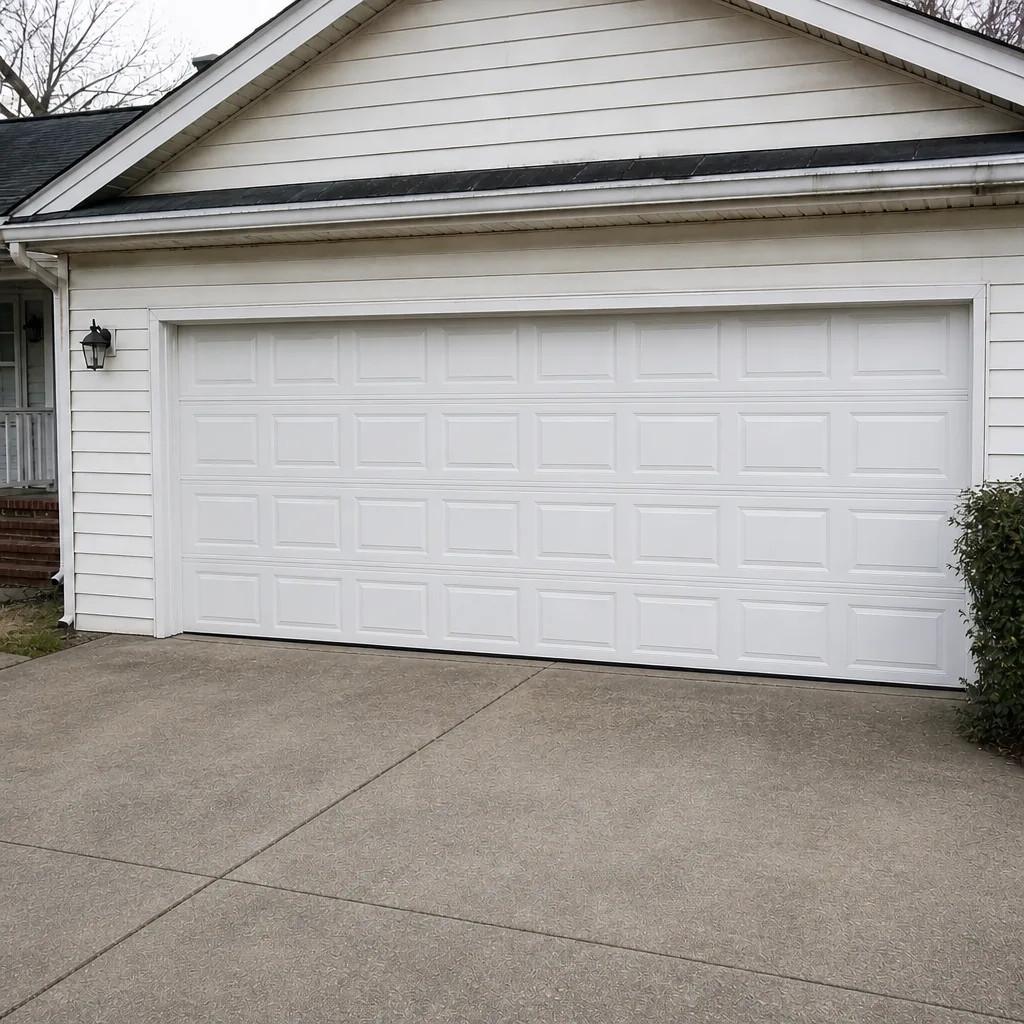
See the difference
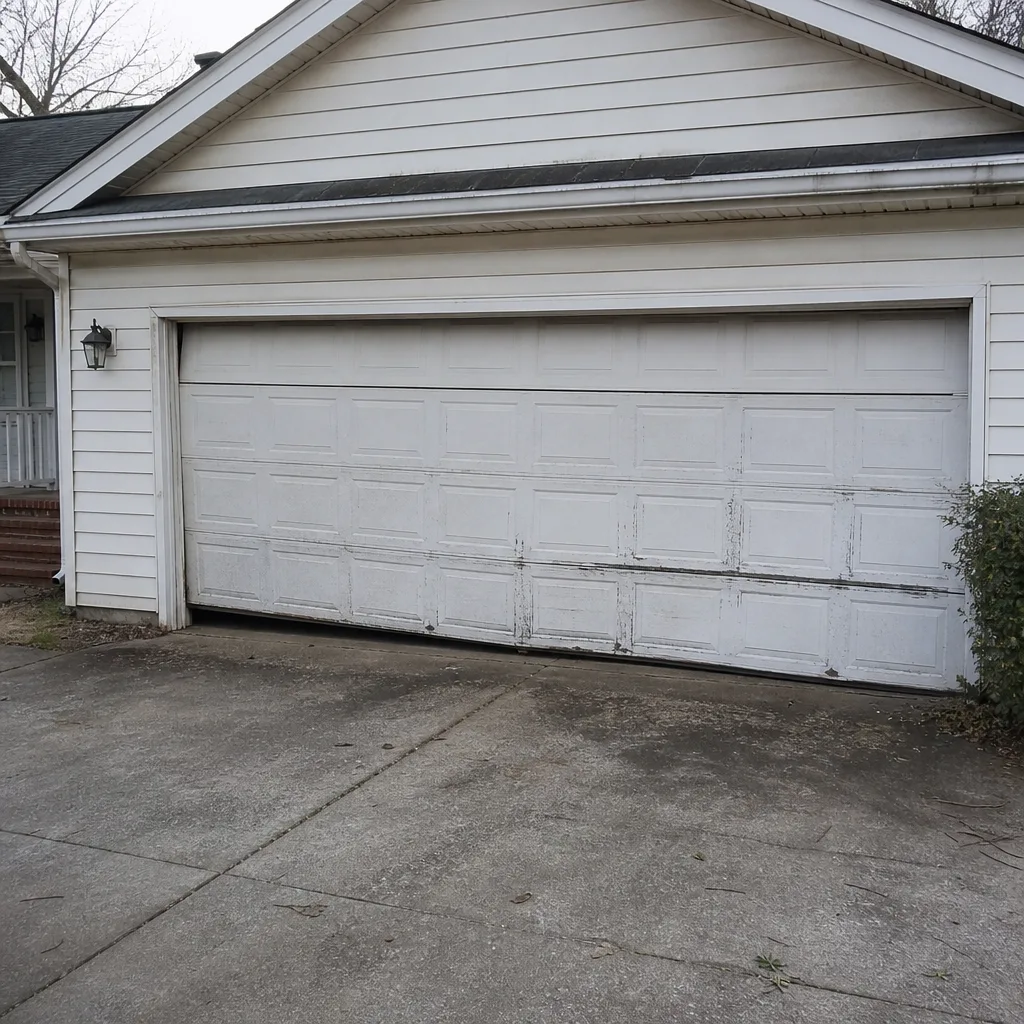 Before
 After
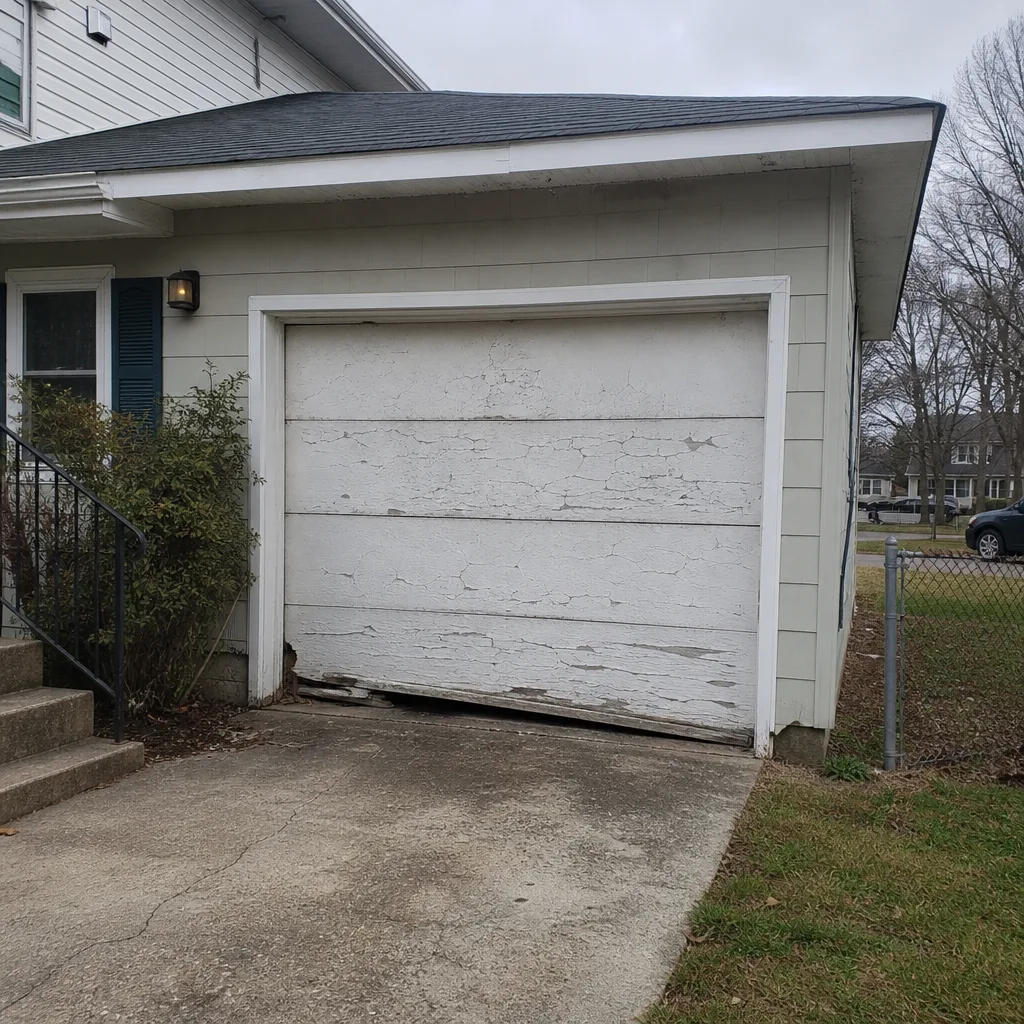 Before
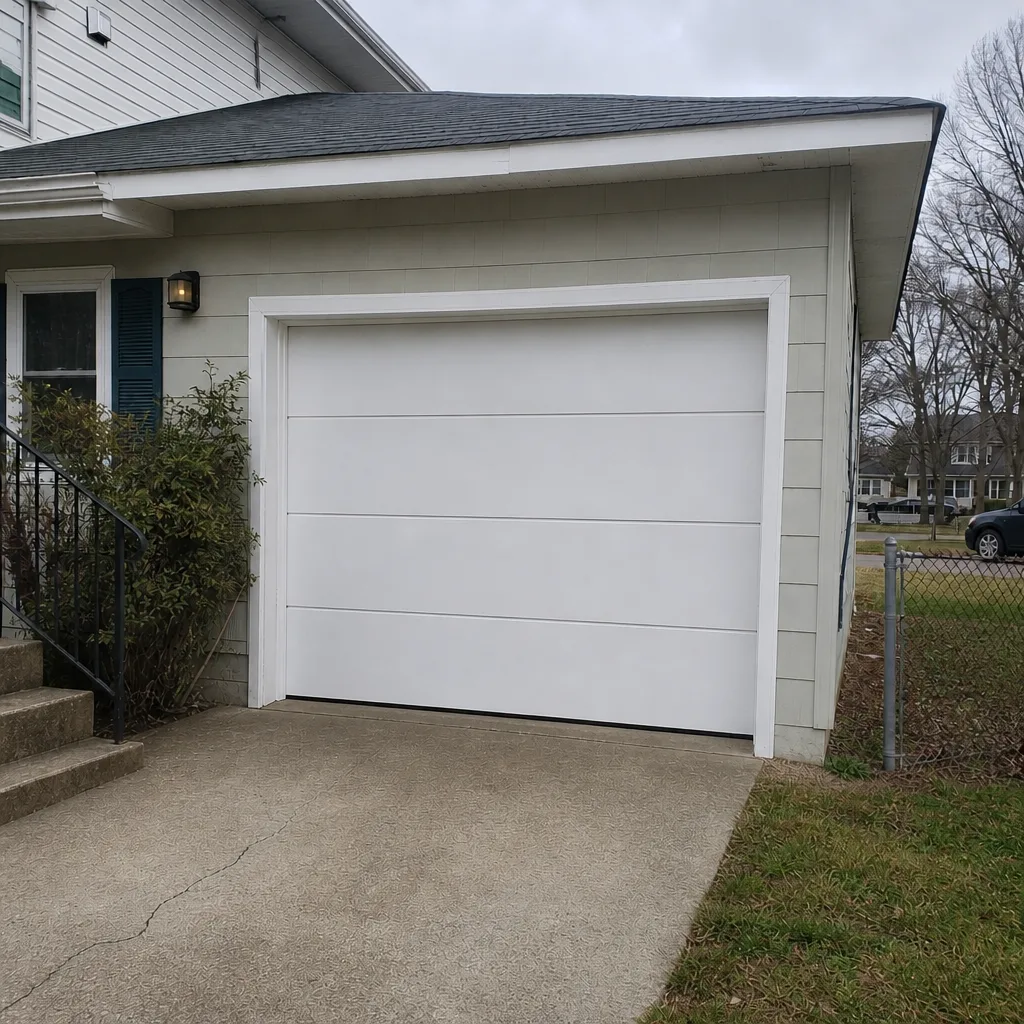 After
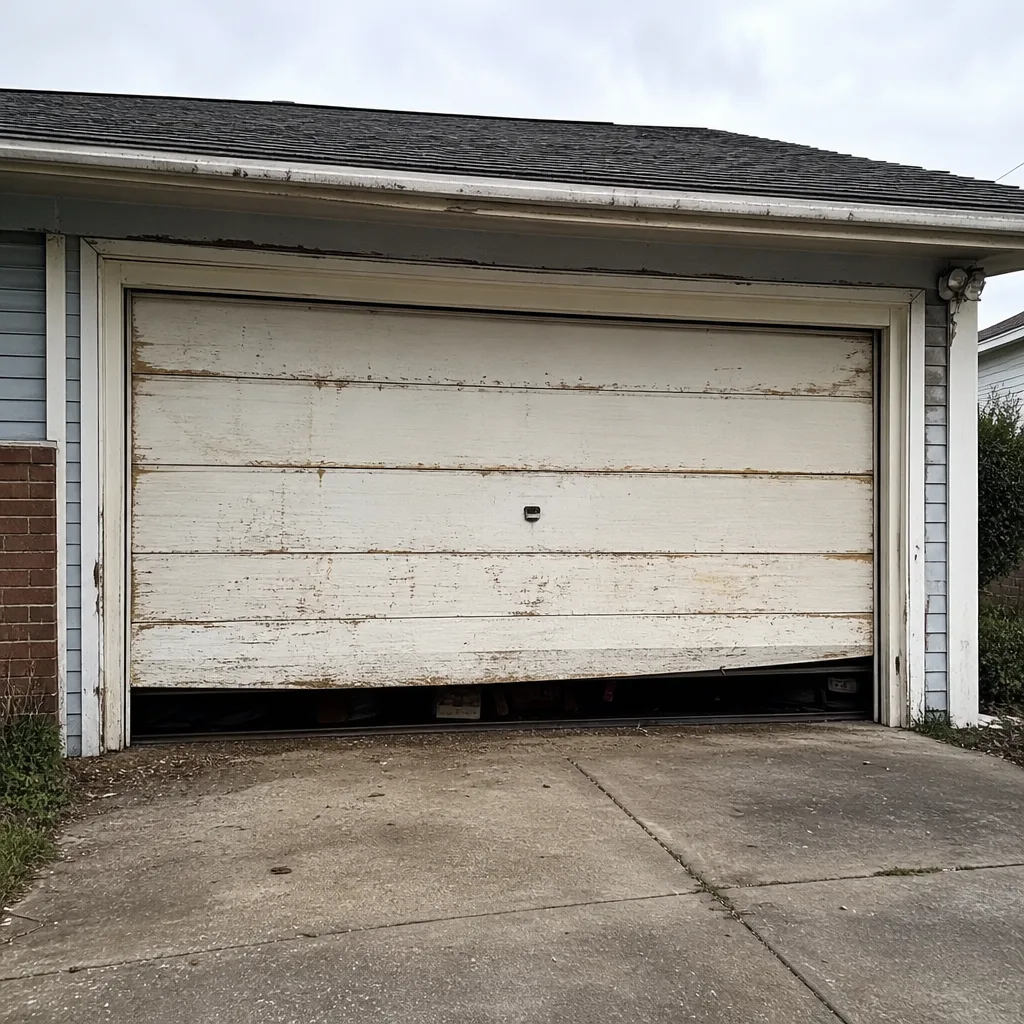 Before
 After
When to Call a Professional
Call a professional when the problem goes beyond lubrication and cleaning. That means a door that binds no matter how you adjust the track, weatherstripping or a bottom seal that has failed, a panel that’s shifted after a storm, an opener that hesitates or reverses on its own, or any sign of spring trouble like a door that no longer holds itself open. Springs in particular are a job for trained hands; that’s not a repair to attempt yourself. We handle torsion and extension spring work, opener repair across LiftMaster, Chamberlain, Genie and Craftsman systems, and door repair across Clopay, Amarr, Wayne Dalton and Raynor equipment. If a seasonal check turns up damage, Garage Door Repair Norfolk Pros offers free estimates in Norfolk. Call (855) 522-0573 and we’ll take a look.
Frequently Asked Questions
The two most important times are May, before storm season, and March or April, after the winter freeze-thaw. May is when you tighten all hardware ahead of storms; spring is when you audit what the cold wore down and decide what to replace. Humidity care through July and August, plus a freeze-thaw check in January and February, fills out the year. Call (855) 522-0573 if you’d like a professional to run through it with you.
It’s usually humidity. Wood panels swell and aluminum tracks expand in the July and August damp, which tightens the clearance your rollers ride in and makes the door bind. Look for shiny rub marks inside the tracks as a sign. Clean and lubricate with silicone, keep wood sealed, and if the door still drags, have the track alignment checked before the opener takes the strain. Call (855) 522-0573 for an exact quote; estimates are free.
Spring repair is priced per spring by written estimate, and torsion and extension springs are far too dangerous to replace yourself. The price depends on your system, and the written quote sets the final number before any work starts. Our technicians have up to 15 years of experience and handle spring repair as a dedicated service. Call (855) 522-0573 for an exact quote; estimates are free.
Tighten all hinge and mounting hardware in May, before the season starts. That’s the single most valuable step because storms amplify any looseness already in the door. Then inspect weatherstripping and the bottom seal, and confirm the door runs level and the safety reverse works. If tightening reveals a loose plate or a door that runs uneven, call for repair while the calendar is on your side. Call (855) 522-0573 for an exact quote; estimates are free.
Not usually, but a partial freeze of the bottom seal is common in the January and February window. Full freeze-up is rare; the risk is the seal freezing to the floor and sticking, then releasing, over and over as temperatures swing. Never force the door when you hear resistance. Keep the seal clean and dry and use a low-temperature lubricant. Call (855) 522-0573 if the door is stuck or straining; estimates are free.
Yes. We service LiftMaster, Chamberlain, Genie, Clopay, Amarr, Wayne Dalton, Craftsman and Raynor equipment, including opener repair across the major smart and legacy opener platforms. Brand-specific diagnostics mean the right fix for your system rather than a generic workaround. The price is quoted and agreed before any work starts. Call (855) 522-0573 for an exact quote; estimates are free.
The Bottom Line
Norfolk’s garage door calendar has three real stress windows, not four equal seasons. Tighten all hardware in May before storm season, seal and lubricate against July and August humidity, and keep the bottom seal clean and lubricated through the January and February freeze-thaw. Audit in March and April and replace only what the winter actually wore down. Do those three things in order and your door handles the year without drama. Skip them and storm season and humidity will find the weak spots for you. Springs and any binding that won’t clear are jobs for trained hands, and a free estimate costs you nothing while a forced repair can cost plenty. Call (855) 522-0573 for a free estimate from Garage Door Repair Norfolk Pros.
Written by the team at Garage Door Repair Norfolk Pros.